high performance flooring
Modern buildings demand flooring solutions that go beyond basic appearance and offer long-lasting functionality, safety, and efficiency. In this context, understanding what advanced flooring systems are and how they work has become increasingly important. High performance flooring refers to specialized flooring solutions engineered to withstand heavy use, environmental stress, and specific operational requirements while maintaining durability and visual appeal over time. These systems are commonly used in commercial, industrial, and institutional settings where standard flooring may fail to meet performance expectations.
At its core, high performance flooring is designed to deliver superior strength and resilience. Unlike traditional flooring materials, it is manufactured using advanced compounds such as epoxy, polyurethane, vinyl composites, rubber, or engineered layers that enhance structural integrity. These materials are selected for their ability to resist abrasion, impact, chemicals, moisture, and temperature variations. As a result, the flooring remains stable and functional even in demanding environments like factories, hospitals, laboratories, and high-traffic public spaces.
Safety is a defining characteristic of high performance flooring. Many systems incorporate slip-resistant surfaces, anti-static properties, and fire-resistant features to reduce risks in the workplace or public areas. By improving traction and minimizing hazards, this type of flooring helps prevent accidents and injuries. In environments where hygiene is critical, seamless and non-porous surfaces limit bacterial growth and make cleaning more effective, contributing to healthier indoor spaces.
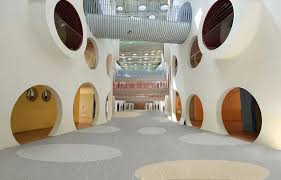
What is high performance flooring?
Another important aspect of high performance flooring is its adaptability to different functional needs. It can be customized in terms of thickness, texture, and finish to suit specific applications. For example, flooring in manufacturing facilities may prioritize load-bearing capacity and chemical resistance, while flooring in healthcare settings may focus on cleanliness and comfort. This flexibility allows the flooring to support both operational efficiency and user comfort without sacrificing performance.
Aesthetic value also plays a role in defining high performance flooring. Modern systems offer a wide range of colors, patterns, and finishes that can complement architectural design and branding requirements. Visual zoning, decorative elements, and customized designs can be integrated directly into the surface, creating a polished appearance that enhances the overall environment. This balance of function and design makes the flooring suitable for spaces where both performance and presentation matter.
Durability and low maintenance requirements further distinguish high performance flooring from conventional options. Its long lifespan reduces the need for frequent repairs or replacements, which helps lower long-term costs. Easy-to-clean surfaces minimize maintenance efforts and downtime, making it a practical choice for busy facilities that require continuous operation.
In essence, high performance flooring is a comprehensive solution that combines strength, safety, adaptability, and aesthetics. By addressing the practical challenges of modern spaces while maintaining visual appeal, it serves as a reliable foundation for environments that demand consistent performance and long-term value.